EN
EN



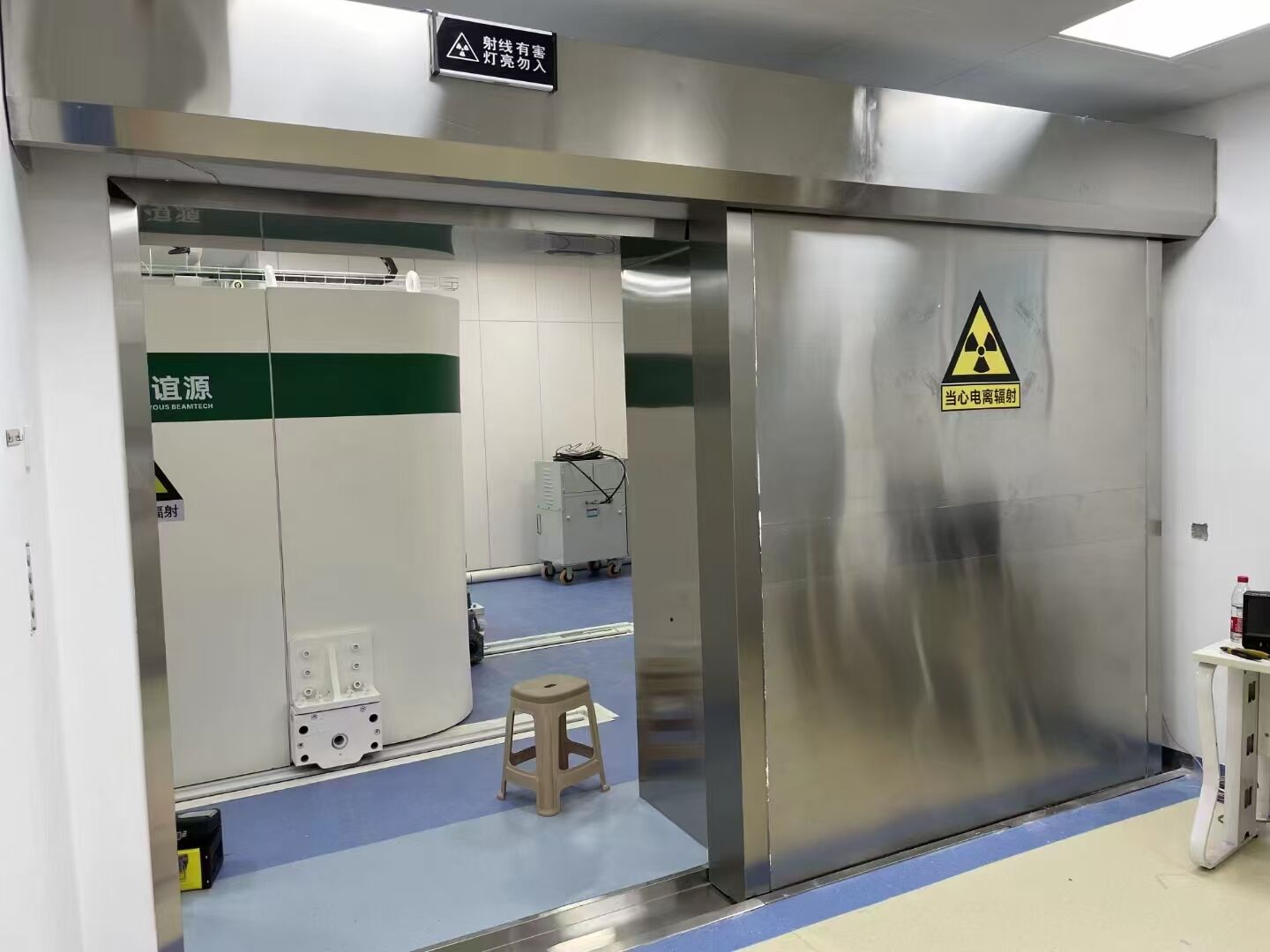
Despite medical technology, sanitation protocols, and staff training improvements, bacteria and pathogens can still be spread through heavily used surfaces. It is not surprising that, as doors are among these surfaces, they are the unnoticed main culprits in infection outbreaks.
Examining the Real Danger of Regular Hospital Doors
Regular hospital doors are constantly touched by different people and their hands can easily be loaded with bacteria, regardless of whether the doors are made of steel, wood, or laminated. This is especially true for the door handles, edges, and frames that are touched most. After disinfection, microbes can continue to grow and recolonize the surfaces very quickly, so even if the doors are cleaned regularly, the problem still persists.
Studies have shown that one of the main ways that HAIs are transmitted is through contact. The risk of infection spreading is greatly increased if a person's hands touch a contaminated door surface and then come into contact with a patient or medical equipment without washing the hands.
Antibacterial Door can be a very effective element in such situations.
Antibacterial Door - What Is It?
An Antibacterial Door in a hospital context is one that stays resistant to bacteria coming both ways - inside and outside the hospital. So, the antimicrobial door materials combine antibacterial and antimicrobal properties that are inherent in the materials. While a regular door would have to be surface cleaned to get rid of any bacteria, an antibacterial door at the same time offers continuous antimicrobial protection at the material level.
Such doors have:
- Antibacterial powder coat or nano-silver ion technology
- Using non-porous, smooth surfaces that resist microbial adhesion
- Seamless structures that help prevent the accumulation of dirt
- Durability to frequent cleaning and disinfectants
Liaocheng Fuxunlai is among the companies that manufacture hospital door systems by integrating these technologies to meet the stringent hygiene standards of the medical environment.
Role of Antibacterial Doors in the Reduction of HAIs
Antibacterial doors are part of the solution to limiting the spread of bacteria and most microorganisms.
In effect, they prevent the microbes from contaminating the door surface which is very advantageous especially in areas of heavy foot traffic such as corridors, operating rooms, ICUs, and isolation wards.
Apart from this, it leads to:
- less likelihood of contact transmission,
- lower use of chemical disinfectants,
- infection control activities being more efficient, and
- immune-compromised patients getting an extra layer of protection.
They should be viewed as an addition that will only be effective if other hygiene measures are not only maintained but further enhanced. They are the extra, powerful hospital infection control barrier that goes hand in hand with the hospital's infection control measures.
Antibacterial Doors in Modern Hospital Architecture
Healthcare architecture is gradually directing its attention to the designing of preventive features. Patient safety is taken into account at every step; from air flow to the selection of antimicrobial surface materials.
Liaocheng Fuxunlai, as a hospital door professional manufacturer, brings to market antibacterial doors of very high structural strength and surface protection standards. Mainly, doors of this kind are used in operating theaters, clean rooms, laboratories, and medical risk areas where hygiene consideration is the highest.
In addition to playing a role in infection prevention, antibacterial doors:
- Keep their great performance up despite very heavy use
- Are resistant to both corrosion and chemical cleaners
- Meet hospital safety and fire regulations
- Can be adapted to various medical environments
Are Antibacterial Doors Worth the Investment?
Hospital-acquired infections have a huge negative financial impact due to their consequences such as longer hospitalization, more costly treatments, and higher legal and reputational risks. On this basis, investing in Antibacterial Doors should be seen as a preventive move rather than an expense.
With such a low level of contamination at the point of contact, hospitals will not only be able to improve the quality of care they provide to their patients but also ensure the safety of their staff and operate more efficiently at the same time. That is the very reason why many healthcare institutions go for customized solutions manufactured by reputable companies like Liaocheng Fuxunlai.
Conclusion
Can antibacterial doors really reduce the risks of hospital-acquired infections? Yes, of course - but only when these doors are used together with other infection control methods. They provide continuous and passive protection to infections, thus they are a vital component of the modern hospital infrastructure.
As healthcare standards continue to rise, the demand for door systems that are not only durable and functional but also hygienic will undoubtedly grow. Hospitals that equip themselves with the latest Antibacterial Door technology take a great step forward in creating medical environments that are safe, clean, and robust.