EN
EN



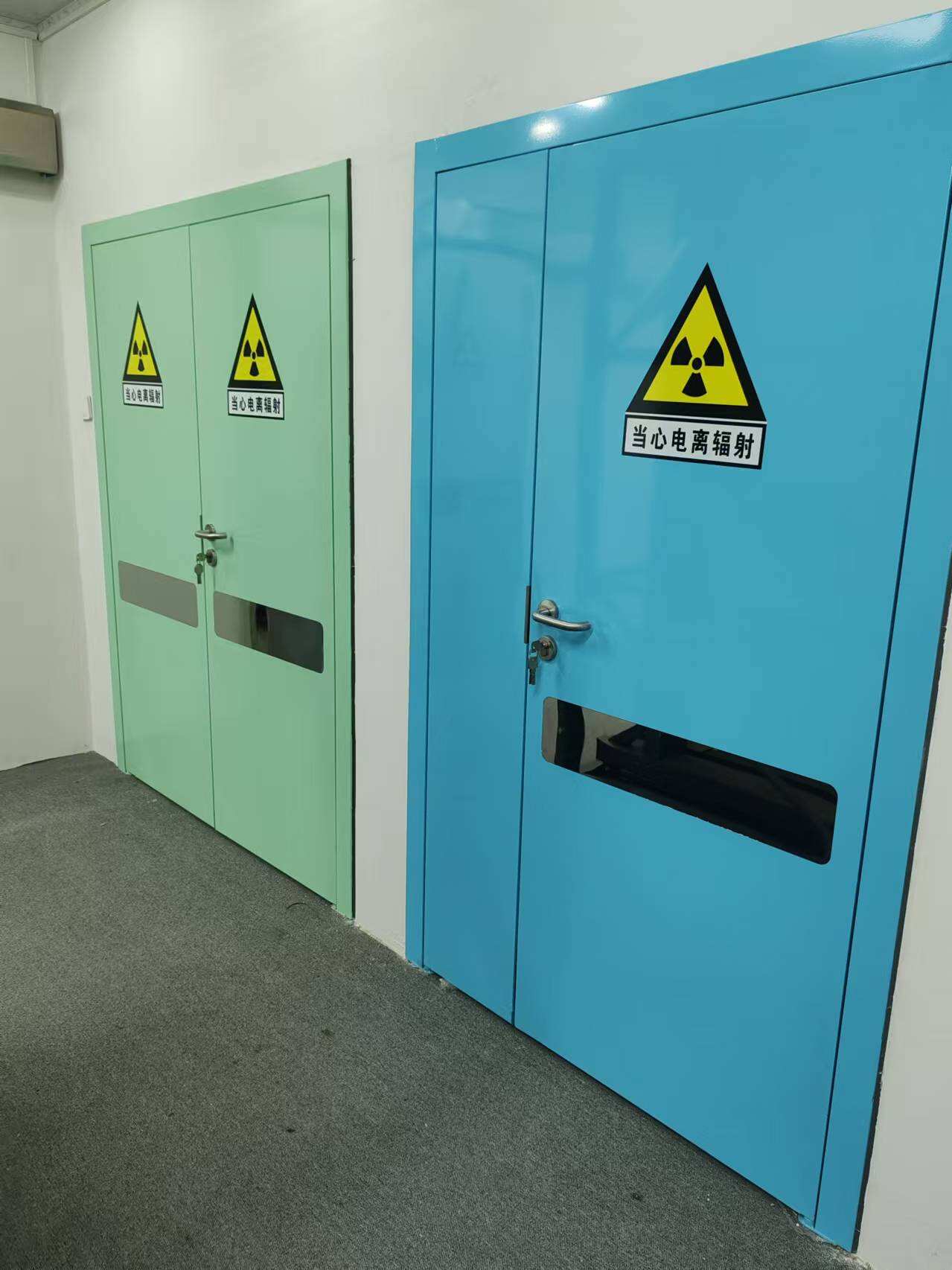
In tightly controlled environments where a tiny contaminant can compromise safety, accuracy, and compliance, cleanroom sliding doors serve a far more important function than most people think. Whether it is the production line for pharmaceuticals or the fabrication plant for semiconductors, these doors are not just entry systems—they are highly engineered barriers that actively maintain sterile conditions, control the flow of air, and boost the efficiency of operations.
To comprehend the importance of cleanroom sliding doors it is necessary to understand contamination control, regulatory standards, materials science, and workflow optimization.
The Role of Cleanroom Environments
A cleanroom is an environment maintained at a very low level of particulates such as dust, airborne microbes, aerosol particles, and chemical vapors. The pharmaceutical, biotechnology, medical device, electronics, and food processing industries all utilize such environments to protect their products and ensure the safety of their consumers.
It is, however, a misconception to think that maintaining sterile conditions solely requires air filtration systems. All building components including walls, ceilings, floors, and most importantly doors should be considered as a contamination control system. Hence cleanroom sliding doors make a world of difference.
Minimizing Air Disturbance and Particle Infiltration
Opening and closing of conventional hinged doors is usually accompanied by the creation of air turbulence. This disturbance in the airflow can alter the pressure differences and allow contamination to enter the otherwise clean spaces.
Sliding doors in a cleanroom thus have a huge advantage as the door slides sideways making very little air disturbance. Also, since they don’t swing ouverts or inwards they:
- Help to maintain stable air pressure gradients
- Reduce particle agitation
- Prevent cross-contamination between zones
In ultra-clean environments, where it is of paramount importance to be able to maintain a positive or negative pressure relative to the surroundings, door sliding meshes are a good choice for retaining these pressure cascades without causing turbulence.
Airtight Sealing Technology
Humane intervention and cleanroom environments are indeed very close to each other, and therefore sealing has to be extremely effective in order not to let contaminants settle down.
The cleanroom sliding doors of today come equipped with:
- Highly efficient gasket system
- Automatic drop seals
- Flush surface design
- Precision track alignment
Once closed, these doors fit so snugly that they form a barrier impenetrable by airborne contaminants from one classified area to the other. Advanced models may also be equipped with compressed sealing systems that automatically activate when the door is shut to guarantee consistent performance of the seal.
This sealing performance feature is very much in line with GMP (Good Manufacturing Practice) cleanrooms in the pharmaceutical industry.
Hygienic, Non-Porous Materials
The choice of materials is another major factor that makes cleanroom sliding doors indispensable. Commonly, these doors are made using:
- Stainless steel
- Powder-coated steel
- Aluminum with antimicrobial coatings
- High-pressure laminate panels
They are smooth, non-porous, and highly resistant to corrosion. Unlike wooden doors of the past, which can harbor bacteria or shed particles over time, their bacterial resistance is ingrained in their very nature.
Their seamless construction also means that there is no place for contamination to hide. In addition, the use of rounded corners, and flush-mounted door hardware further facilitates cleaning and thus reduces the growth of microbes.
Space Optimization in Controlled Areas
It is common for the cleanrooms to be overcrowded with equipment due to which there is a need that the layout should be as such that the operational flow is is smooth and pleasant. There are also safety issues as well as contamination risks which are highly probable if clearance space for doors is not controlled. In fact, if doors that swing are allowed in, they will:-
- Block the positioning of the equipment
- Interrupt the movement of the personnel
- Lead to a higher risk of contamination
Sliding doors for cleanrooms take their path following the wall ultimate to which they maximize the use of the floor space. So, the work that has been well planned is not thrown off track but rather supported especially when the transportation of goods by direction through trolleys and/or automated systems or carts is a common occurrence.
In the case of a facility where the traffic between zones is heavy, automatic doors will mitigate the problem and make the process hence business, and people moving continuity there pleased.
Automation for Touchless Operation
Contact with the human body is a major source of contamination in sterile environments. Cleanroom sliding doors that are automated contribute drastically to the reduction of this risk.
Some features that are typically installed in modern systems include:
- Detection of motion
- Pedal switches
- Identification cards for access
- Interlocking
The door manual has been abolished by this system. Hence the touch-free access provision only minimizes the transmission of microorganisms from hands to surfaces. In the case of the cleaner hyphroom of the higher graded type, the airlock interlocking for doors ensures that one door cannot be opened until the other is fully closed thereby ensuring strict environmental separation.
Compliance with International Standards
Intrerior doors for a cleanroom are strictly regulated and must meet the highest standards both in terms of performance and safety. Cleanroom sliding doors are required to comply with:
- ISO cleanroom classifications
- GMP standards
- FDA guidelines
- EU Annex 1 regulations
If doors are not up to the mark, standards conformity and operation permission can be jeopardized. Hence it should come as no surprise that engineered doors for cleanrooms always come with sealing performance that has been tested, durability, and structural soundness.
Those manufacturers who are experts in sterile architectural solutions know exactly how doors can be part of a validated cleanroom system.
Durability Under Frequent Sanitization
Those who work in sterile environments need to constantly clean with strong disinfectants, hydrogen peroxide vapors, or other sterilizing agents. Some door systems may degrade and suffer damage over time if they are exposed to such chemicals.
A wide variety of materials and finishes characteristic to high-end door systems have been tested to withstand:
- Harsh chemical agents
- Repeated exposures to water
- The presence of moisture
- Changes in temperature
With the help of corrosion resistance of the doors finishing, these high-performance doors promise a long service life without the shedding of particles or the loss of structural strength.
Integration with Airlock and Pressure Control Systems
The use of airlock chambers is one of the most common ways to prevent the transfer of contamination in an advanced cleanroom. Often, cleanroom sliding doors are part of this system:
- Human airlock
- Material airlock
- Pass-through
Having interlocking systems installed makes it possible for the doors to maintain the different pressures while also ensuring the controlled entry and exit process.
This is just one more way of increasing the safety of the bios are in laboratories, pharmaceutical plants as well as medical manufacturing facilities.
Noise Reduction and Smooth Operation
Operational excellence is definitely not just about sterility—it is also about providing a safe and stable working environment. Hence cleanroom sliding doors work smoothly and quietly, therefore they reduce mechanical vibration and thus do not contribute to the noise pollution.
This is of topmost importance in:
- Fabrication of semiconductors
- Assembly of precision electronics
- Research laboratories
Watching that the environment is always stable and at low vibration will be of great help to protecting the sensitive processes and equipment.
Customization for Specialized Applications
None of the cleanrooms are entirely the same. It is inevitable that a variety of doors will be needed for different industries. Cleanroom sliding doors can be specially fabricated with:
- Optical panels having flush glazing
- Lead lining for radiation shielding
- Fire-resistant cores
- Automated hermetic sealing systems
The range of their applications thus includes hospitals, pharmaceutical manufacturing plants, biotech labs, and industrial clean facilities.
Why Choosing the Right Manufacturer Matters
It is well known that the important performance of cleanroom sliding doors totally depends on the responsibility of the engineering and the expertise of the manufacturer. Badly designed door might cause a serious problem in the air distribution, might leak the particles and thus contaminate, or the most unpleasant thing is that it will degrade quickly when sterilization protocols are applied.
Choosing a specialized manufacturer will bring you main advantages as:
- Very good and precise dimensions
- Certified sealing performance
- Material traceability
- Long-term stability and reliability
Companies working on the doors for cleanrooms line systems have in-depth knowledge of the technical subtleties required for highly sterile architectural and controlled environment building constructions.
The Bigger Picture: Doors as Part of a Contamination Control Strategy
Cleanroom sliding doors are not independent components of a contamination control system but fundamental parts that integrate very well with each other.
The doors are coordinated with:
- HEPA filtration systems
- HVAC pressure controls
- Cleanroom wall panels
- Flooring systems
When they are fixed and designed properly, they help to maintain the sterility of the environment and at the same time allow the movement of personnel and materials.
Conclusion
Cleanroom sliding doors are one of the most important components that must be in place in order to keep an environment sterile as they reduce the disturbance of the air, provide a perfect airtight seal, resist the growth of microorganisms, and facilitate a smooth working operation. In addition, their features make them resistant to wear and tear caused by cleaning with harsh chemicals while at the same time help in maintaining strict environmental control.
Wherever contamination is capable of leading to product failure or the closure of the factory due to the violation of the law or even endangering human life, buying high-performance cleanroom sliding doors is a must rather than an option.
As production and laboratory standards for sterile environments continue to be upgraded, door systems will become increasingly more important. Facilities can achieve both compliance and operational excellence if they opt for solutions that are expertly engineered and from experienced manufacturers.
Ultimately, cleanroom sliding doors should not just be regarded as architectural features—they are truly the unsung heroes who constantly guard the sterile integrity.
Table of Contents
- The Role of Cleanroom Environments
- Minimizing Air Disturbance and Particle Infiltration
- Airtight Sealing Technology
- Hygienic, Non-Porous Materials
- Space Optimization in Controlled Areas
- Automation for Touchless Operation
- Compliance with International Standards
- Durability Under Frequent Sanitization
- Integration with Airlock and Pressure Control Systems
- Noise Reduction and Smooth Operation
- Customization for Specialized Applications
- Why Choosing the Right Manufacturer Matters
- The Bigger Picture: Doors as Part of a Contamination Control Strategy
- Conclusion