EN
EN



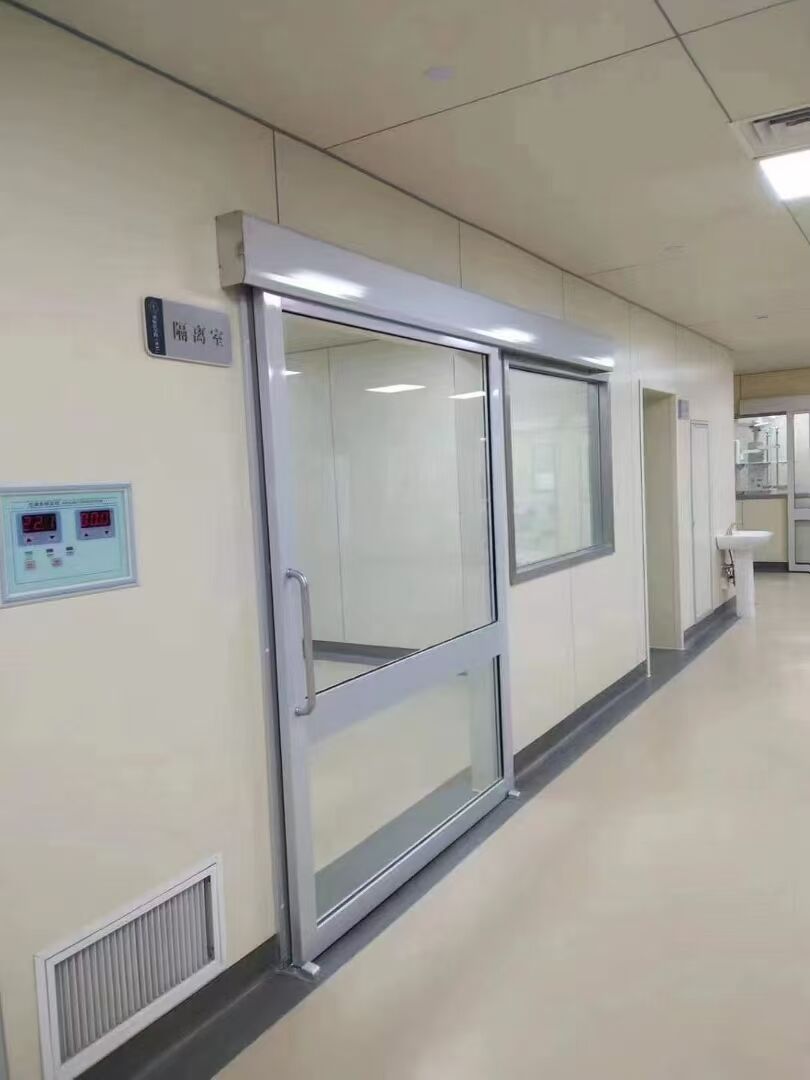
Keeping the environment free from germs and contamination in modern medical and laboratory settings today is not only a matter of good practice, but it is a must. Infection or cross-contamination can lead to life-threatening situations for patients and staff if strict infection control and hygiene protocols are not followed. One method of infection control design, which is effective and can be easily overlooked, is the antibacterial door. These doors have the discretion to be a means of infection control in a hygiene-critical environment; they can provide an enduring protection far exceeding the typical building components.
The Hidden Risk of Conventional Doors
Among the surfaces, doors are the most frequently touched ones. Individuals from different departments of the hospital and laboratory institutions as well as visitors are the major users of these buildings. Usually, doors are made of wood, steel, or laminate. Any of these can Similarly, one may think that bacteria are removed after no matter how many times they are wiped. Yet, there is little doubt that bacteria and other organisms can live on the surface of doors for at least a few hours Keeping in mind that there may be microorganisms in the air, therefore, these creatures can spread around the place for a long time.
The use of antibacterial doors makes a significant and visible difference. The antimicrobial doors come areas and technologies which work against the pathogens making them inactive and thus, changing the feature from an infection source into a protective surface.
What Is an Antibacterial Door?
Antibacterial doors target bacteria on the surface of the door by using substances, layers or mixture components which prevent the bacteria from growing on the door material. In most cases, these doors are steel or stainless steel and are given anti-microbial performance by a powder coating, silver-ion technology, or other active agents.
When ordinary doors are simply sanitized through cleaning. Antibacterial doors, however, are the more effective ones, working on lane reduction of microbes 24/7.
Such companies as Liaocheng Fuxunlai are among the vendors of antibacterial doors that have the highest standards suitable for the respective hospitals, cleanrooms, laboratories, and other hygiene-sensitive areas; thus, safety is directly infused into the infrastructure.
Essential Benefits in Healthcare Environments
Healthcare facilities constantly striving to keep the infection rate low. To antibacterial doors, it is vital for reaching this objective in the following ways:
1. Limiting the possibility of cross-contamination
The most important in medical care units, such as operating rooms, intensive care units, isolation wards, emergency departments, is by the mere fact of the inhibition of bacteria on their surfaces which restricts the source of infection to one room, department, or group of users.
2. Ongoing protection
alongside cleaning operations
It is true that disinfection is crucial and that is it sometimes insufficient. Antibacterial doors keep up the microbial resistance in between cleaning times providing a safety layer that is not dependent on hand action.
3. Obeying hygiene standards
Materials used in healthcare and infection control contribute greatly to safety. Fitting antibacterial doors to your health institution ensures that you continue to uphold your commitment to the highest standards of hygiene, safety, and accreditation.
Why Laboratories Depend on Antibacterial Doors
When it comes to pharmaceutical, biomedical, and cleanroom laboratories especially, the human error has to be minimized as any contamination, even the smallest is capable of ruining the whole experimental batch or product.
1. Ensuring the research integrity
Usage of antibacterial doors keeps environments at a minimum for pollutants and thus protects research samples, data, and cultures from contamination.
2. Aid in cleanroom compliance
Every item in a cleanroom is a part of the whole. An antibacterial door thus becomes an ideal option for a cleanroom when it has a non-textured, seamless surface treated with antimicrobial, low-laying particles and microorganisms.
3. Staff protection
Less bacteria on the surfaces mean that the staff also gets protected. On top of that, a staff member can rest assured that he or she does not get exposed to the unnecessary and harmful microorganisms.
Durability Meets Hygiene
One more point that antibacterial doors have going for them is that they are very durable. Top-grade antibacterial doors, such as those made by Liaocheng Fuxunlai, can take a lot of stress and treatment from which you are bound to walk away especially if the elements can include high levels of disinfectants, day-to-day usage in a highly trafficked area, and extreme environmental changes. In contrast to old-fashioned doors that only get more vulnerable and deteriorate over time, antibacterial doors retain a very high level of a physical face as well as their antimicrobial properties.
A Long-Term Investment in Safety
Clearly, antibacterial doors are not the cheapest option on a market next to the typical doors. However, the long-term benefits are very much worth it. Among the factors that contribute to considerable operational and reputational advantages are the following: fewer infections, less wear from cleaning, higher regulatory compliance, as well as more trust from patients and partners.
To designers thinking about the hospitals, labs, and healthcare facilities of the future, antibacterial doors are a must-have rather than a nice-to-have.
Every decision in the hygiene-critical healthcare and laboratory environment is a matter of safety and efficiency. Antibacterial doors allow the facility to be continuously safe in terms of the presence of microorganisms that are harmful to health by simply limiting one of the most common ways of transmission. It is because of the combination of high technology, advanced materials, antimicrobial technology, and durable construction that these doors are actually one of the main infection control elements of the modern era.
With skilled manufactories like Liaocheng Fuxunlai ready to supply tailored antibacterial door products, it is not only possible but also very much feasible for healthcare and laboratory facilities to become cleaner, safer, and more resilient—the place where hygiene is not left up to chance but is engineered into each opening.