EN
EN



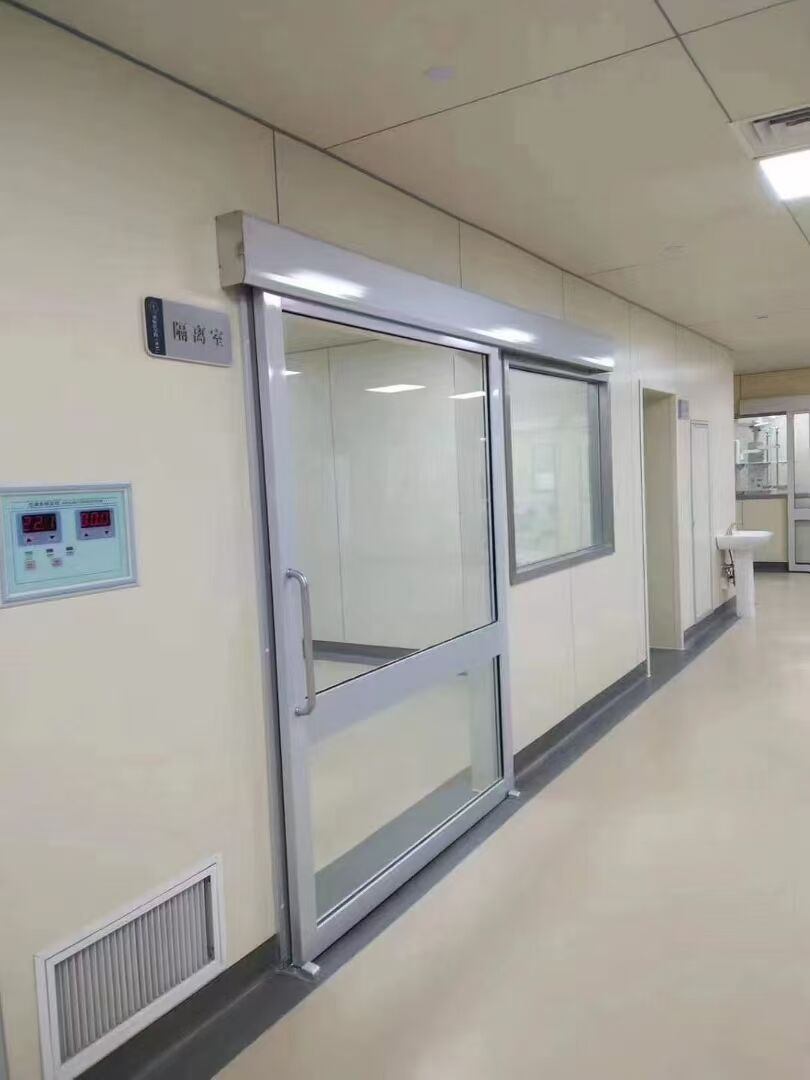
An Operating Room Sliding Door is not just a door that swings open. It is a door specifically made to allow quick movement, maintain high levels of hygiene, and offer secure access in sensitive areas. They can be seen in operating rooms, sterile corridors, prep spaces, or recovery areas, and they are vital to both the efficiency and safety of the hospital.
In this article, we will discuss the impact of the operating room sliding door on a surgical environment, the reasons why more and more hospitals are opting for this system, and how a reliable medical door supplier like Liaocheng Fuxunlai is the right choice for custom medical doors for high-end healthcare facilities.
Why operating rooms are unlike other hospital spaces?
The operating room is very different from a normal hospital environment. It is a sealed-off and tightly regulated environment where air quality, cleanliness, and access need to be controlled with extreme precision. A couple of minor design faults such as doors that open slowly, doors that increase the risk of infection, or doors that restrict staff movement can very easily cause a workflow delay or safety problem.
To name a few, traditional hinged doors can create the following problems:
- The door swing causes congestion in the corridor
- More microbes transferred due to more touch points
- Emergency access is slower
- Doors lead to pressure imbalance in the areas under controlled air pressure
- They are dangerous in a way that the personnel bringing in beds or equipment can collide with doors
It is hardly surprising that Operating Room Sliding Doors, which are specially made to satisfy the requirements of highly demanding clinical practices, are being installed more and more.
Critical moments call for faster movement and thus better efficiency
The operating room sliding door has speed as one of its biggest advantages. In a surgery department, the personnel usually:
- Frequently move in and out of the operating rooms
- Sterile supply rooms
- Anesthesia preparation areas
- Instrument cleaning rooms
- Patient Transfers corridors
Employees can enter or exit through the sliding door without any difficulty because there is no need to move a swinging door out of the way first or to clear the space. The staff can freely bring in stretchers, surgical carts, and mobile imaging devices without any difficulty.
Benefits of the efficiency improvement
- Patients transfers are quicker, thus less time is spent waiting
- No congestions in the corridors which are already busy with traffic
- The flow between sterile and non-sterile zones stays smooth
- Better coordination of shift changes and emergency situations
In the hospital, every minute that is saved counts a lot especially in those that run several operations daily.
Elimination of Collision Risk in Extremely Busy Surgical Areas
Operating rooms are busy with both staff and equipment going in and out. A swing door might accidentally hit:
- An instrument-carrying nurse entering
- A surgeon in a hurry due to an emergency
- Passing of stretcher or wheelchair
- Mobile anesthesia machines and carts
That risk is totally eliminated with a sliding door inside an operating room. Instead of opening outward into the walking path, the door slides along the wall, thus significantly reducing possible accidents and greatly improving the flow of traffic.
Safety benefits include
- Near miss or injury caused by door reduced significantly
- Less equipment damage
- Reduced risk of sudden interruptions in surgery preparation
- More stable movement pathways for patient transport
Hospitals that are serious about offering a safer environment and at the same time want fewer disruptions in their operation are thus well advised to install sliding doors.
Increased Hygiene and Infection Control
Every healthcare facility puts a big focus on infection prevention. Door handles and surfaces are some of the most commonly touched areas in a hospital, thereby becoming a major source of contamination.
An Operating Room Sliding Door offers a number of ways to maintain hygiene:
Touchless door opening
While most sliding doors can be equipped with:
- Motion sensors
- Elbow switches
- Foot switches
- Access control devices
This opens the door for a reduction in direct contact with a door handle thus cutting down on the chances of cross-contamination between staff, patients, and surfaces.
More hygienic door surfaces
Medical sliding doors of high quality are often equipped with:
- Smooth panels with minimal joints
- Antibacterial coating (optional)
- High-grade stainless steel or powder-coated steel finishes
Liaocheng Fuxunlai, for instance, pays special attention to door systems that can be disinfected frequently without wear and tear and thus matches the hospital cleaning protocols perfectly.
Enhanced Sterility through Better Airflow Management
Maintaining clean air is a top priority in surgical areas. Most operating rooms utilize controlled ventilation systems that are aimed at getting rid of airborne particles and maintaining a sterile environment.
With traditional swing doors, the airflow is disturbed when they are opened causing pressure fluctuations and making it easier for contaminants to get in. On the other hand, an Operating Room Sliding Door has a predictable mechanism for opening, which contributes to keeping the moving air cleaner between the rooms.
Reasons why it is important
- It is easier for the positive pressure to be retained inside the operating room
- The chance of airborne particles contaminating the area is reduced
- The hospital is in line with the regulations for the strict surgical environment standards
- Provides a channel for long-term infection control strategies
From the perspective of the hospital, the decision to go for sliding doors is a double win as it is the right move to support environmental control and a sterile design.
Optimizing Spaces for Contemporary Hospital Designs
Hospitals are complicated living organisms where making the most of the space is crucial. There are not always very wide corridors near the operating departments, the rooms are next to each other, and there is a limited space for moving in between.
Sliding doors not taking the swing space naturally means, therefore, that the area remains free for other uses and that planning can be done both tighter and wiser.
Advantages of saving space
- Great for cramped corridors and tiny operation rooms
- Equipment and wall-mounted systems can be more conveniently placed
- Medical devices of considerable size can be moved in easily
- The room designs are fresher and more modern
These benefits come in handy particularly with renovation projects when hospitals are expected to improve their performance but cannot increase the size of the building.
Increased Access Control and Security
Operating rooms are sensitive areas. Only authorized personnel should be allowed to enter and to this end, the hospital must have control over the access so that it can be used for:
- Ensuring patient safety
- Managing staff workflow
- Protecting sterility
- Safeguarding equipment
Operating Room Sliding Door integrates with many access control systems such as:
- Keycard reader entry
- Password panels
- Staff badge recognition
- Emergency override functions
Thus, the hospital is more secure while at the same time maintaining a rapid entry.
Noise Reduction Results in Better Focus and Increased Patient Comfort
Thousands of tasks go on simultaneously inside operating theaters. Noise from the corridors not only distracts staff and raises their stress level but also patients being transported through surgical areas may become anxious if the environment is noisy and disorderly.
An Operating Room Sliding Door designed properly can enhance the room's acoustic performance by:
- Providing tight sealing structures
- Making use of solid core materials
- Reducing vibrations during operation
Therefore, it becomes a rather calm and controlled situation not only advantageous to the medical professionals but also to the patients.
Suitable for Intensive Hospital Use
Hospital doors are opened and closed a couple of thousand times a month. An average door may deteriorate quickly leading to:
- Loose hinges
- Misalignment
- Difficulty closing
- Increased maintenance costs
A professional Operating Room Sliding Door is designed to cope with the rough use time after time. The top systems normally emphasize:
- Reliable track mechanisms
- Strong frames and reinforced panels
- Smooth sliding performance under constant use
- Long-term reliability with minimal downtime
Liaocheng Fuxunlai features medical door solutions that are perfect for high-traffic healthcare environments, thus, avoiding maintenance interruptions and helping hospitals decrease long-term replacement costs.
Liaocheng Fuxunlai Pledges to Support Hospitals Through Medical Sliding Door Solutions
Choosing the right supplier matters as much as choosing the right door type. One which you can trust is the manufacturer who not only understands the medical standards but also is aware of hospital workflow needs and long-term operational demands.
Liaocheng Fuxunlai focuses on providing hospital door systems that:
- Support unimpeded fast movement in surgical environments
- Work withstanding strong and continuous use
- Be made of material of high standard, which can be cleaned regularly with harsh chemicals, if necessary
- Are tailor made for different departments
- Perform reliably in the institution's critical space
Building new or refurbishing old, a supplier with experience in hospital door systems is always the safest bet especially if excellent performance of the installation is expected to continue well down the road.
How do an Operating Room Sliding Door help hospitals to be efficient and safe? To this worth, the answer lies in the fact that the door system helps to streamline movements, minimize the occurrence of collision, promote cleanliness and hygiene whilst at the same time enhance airflow regulation, conserve space and hence improve access control.
This has been done without compromising the high standards of modern hospital practices.A workplace is a place where time, safety, and cleanliness count a lot. Thus, installation of an Operating Room Sliding Door is no more a simple decision of style but a smart move to boost healthcare service delivery.Your surgical and clean areas will be changed soon. Secondly, a good partnership with Liaocheng Fuxunlai will result in a perfect fit for the medical door solution in your hospital.
Table of Contents
- Why operating rooms are unlike other hospital spaces?
- Critical moments call for faster movement and thus better efficiency
- Elimination of Collision Risk in Extremely Busy Surgical Areas
- Increased Hygiene and Infection Control
- Enhanced Sterility through Better Airflow Management
- Optimizing Spaces for Contemporary Hospital Designs
- Increased Access Control and Security
- Noise Reduction Results in Better Focus and Increased Patient Comfort
- Suitable for Intensive Hospital Use
- Liaocheng Fuxunlai Pledges to Support Hospitals Through Medical Sliding Door Solutions