EN
EN



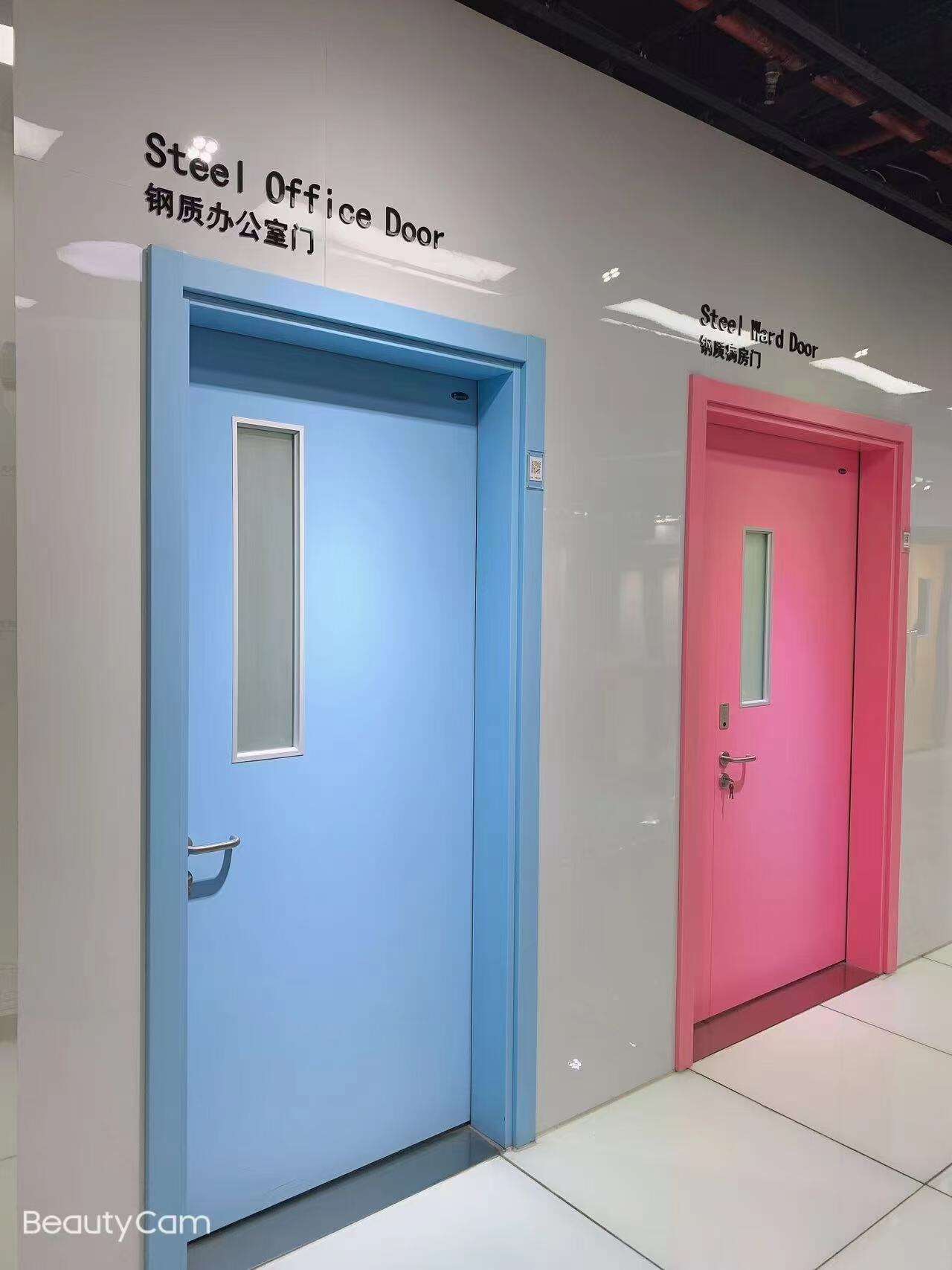
In areas where contamination control is absolutely necessary, such as in pharmaceuticals, biotech, medical manufacturing, labs, and food processing sectors, a sterile environment can be one of the factors that determine product quality, legal compliance, and human safety. Besides other architectural elements, stainless steel clean room doors constitute a significant support in cleanroom performance. In fact, these doors, much more than mere access points, are designed barriers that keep controlled environments safe from airborne particles, bacteria, and other kinds of pollution.
The Very Importance of Clean Room Infrastructure
What clean rooms essentially do is they limit the amount of particulates, regulate air pressure, control the level of moisture, and keep microbes away. Though filtration and air direction generally get the most attention, doors are by far one of the highest turned over parts in a clean room. Every time a door opens or closes, chances of contamination rise. Therefore, it becomes very important to select the right type of door material, structure, and sealing capabilities if you want to keep cleanliness to a desired level.
Stainless Steel Clean Room Doors are the answer to the above-mentioned issues as they not only allow room for the passage ofOperators/ Materials but also provide a barrier against the escape of particulate matter.
The Superiority of Stainless Steel
The versatility and excellent hygienic characteristics of stainless steel has made these doors popular in clean room construction. Some reasons why is it preferred include:
- Non-porous: Stainless steel unlike wood or paint finish is not capable of absorbing moisture, chemicals or organisms.
- Excellent Corrosion Resistance: It can be cleaned with disinfectants, alcohol, and chemicals without any decline in performance.
- Smooth, seamless finish: This enables dust to be easily blown away and stops bacteria from growing in cracks or joints.
- Long-lasting: Stainless steel is a sturdy material which retains its shape after being subjected to continuous usage and high humidity and even it can resist corrosion in such environment.
Those factors make Stainless Steel Clean Room Doors the very best choice for sterile areas where the highest standards for cleanliness are enforced.
Helping Sterility Through Design and Function
In addition to picking a material, the style of clean room doors brings about a major influence in contamination control. The designs of high-quality stainless steel doors feature:
- An airtight sealing system for zero air leakage
- Flat surfaces that do not allow dirt in to be trapped
- Rounded edges and seamless welding for effortless cleaning
- Ability to work with interlock systems and airlocks
Manufacturers like Liaocheng Fuxunlai prioritize accuracy in their engineering work so that their Stainless Steel Clean Room Doors perfectly fit in the clean room system, thus helping the facility in maintaining a stable pressure difference and controlled airflow.
Compliance With International Clean Room Standards
International GMP, ISO 14644, and FDA regulations are very specific in the types of construction materials that should be used in a clean room. Stainless Steel Clean Room Doors assist in meeting these standards by allowing the use of identifiable materials, producing hygienic structures, and delivering a consistent performance line resulting in a long-term relationship.
Pharmaceutical and medical device manufacturers, however, cannot afford to make a choice that is non-compliant; therefore, they have to be very careful when selecting door systems because it affects their audit results, their production continuity, and their ability to reach the market.
Alongside Durability, it Also Brings Cost Savings
Stainless steel doors probably require a larger initial investment, but their value over time cannot be disputed. Theirwear and tear, corrosion, and chemical resistance capabilities lead to maintenance cost reduction, limited downtime, and the elimination of frequent replacements. In fact, they will become a financially wise choice for Sterile environments operating 24/7 over a period.Our valued partner, Liaocheng Fuxunlai work hard to come out with clean room door products that strike the right balance of long-lasting, user-friendly and operational efficiency
Adaptability Across Multiple Industries
Thanks to their flexibility, Stainless Steel Clean Room Doors are used in a number of thoroughly controlled environments such as:
- Pharmaceutical manufacturing facilities
- Hospital operating rooms and isolation wards
- Biotechnology and research laboratories
- Semiconductor and electronics clean rooms
- Food and beverage processing plants
The advantages of the core remains the same through various uses: cleanliness, dependability and conformity.
A little thing with a huge effect
In a sterile environment, it is the fine details that matter. Stainless Steel Clean Room Doors might just be an element of the architectural layout but their input in the areas of contamination control, regulatory compliance and operational efficiency are far-reaching. These doors not only allow the installation of hygienic materials but also make use of precision engineering techniques forming an inherent line of defense against contamination.
Liaocheng Fuxunlai for instance, having a proven track record in manufacturing tailored clean room door solutions, the respective establishments can rest assured that the sterile environments they have created and maintained can meet the highest global standards— thereby, safeguarding the products, patients and processes simultaneously.
Table of Contents
- The Very Importance of Clean Room Infrastructure
- The Superiority of Stainless Steel
- Helping Sterility Through Design and Function
- Compliance With International Clean Room Standards
- Alongside Durability, it Also Brings Cost Savings
- Adaptability Across Multiple Industries
- A little thing with a huge effect