EN
EN



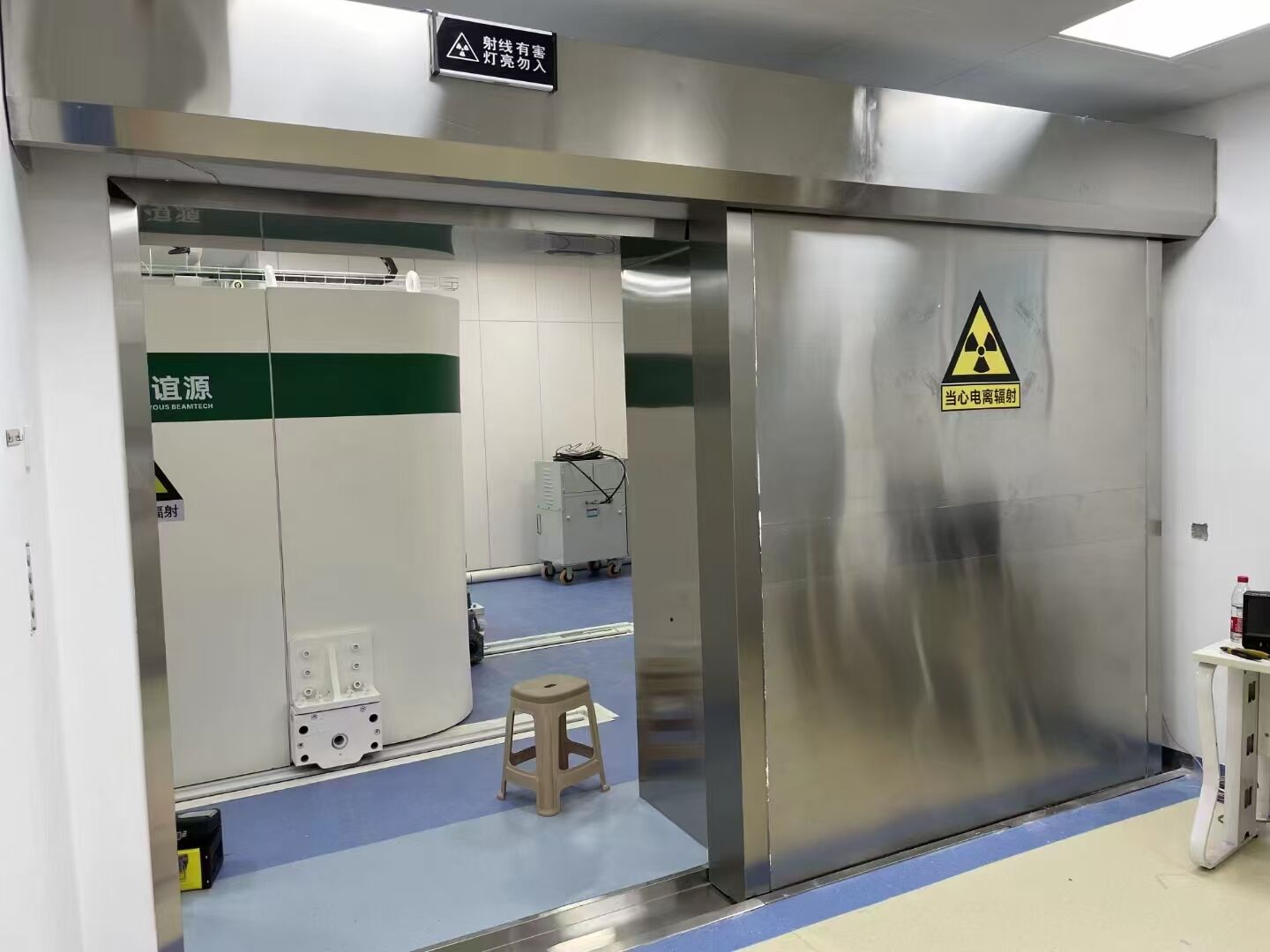
In a number of industries where accuracy, cleanliness, and environment control are essential, the room needs to be free of contamination at all costs. To keep the air and surfaces free of contamination and microbes, various sectors, including pharmaceutical, biotech, electronic manufacturing, medical devices, and scientific have been using cleanrooms. To meet the highest requirements of contamination control, every element inside a cleanroom, including the doors, must be carefully selected. Of the many options for door systems available, Cleanroom Sliding Doors have gained popularity among new facilities as they offer both cleanliness and working efficiency.
The Role of Doors in a Cleanroom
The design of cleanrooms is focused on limiting particles such as dust, microbes, chemical vapors, etc., in the air. Mainly airflow pattern, filtration, and controlled access are the major factors that help maintain these high standards.
Doors are the most used entry points in cleanrooms, thus, if not correctly designed they may become contamination sources. For example, conventional hinged doors, when opened, cause air turbulence that can carry particles around the controlled environment.
Cleanroom Sliding Doors are specially designed to avoid any such inconvenience. The combination of their smooth movement, tight sealing, and compact design fits the requirements of places where cleanliness is a must along with high efficiency.
Decreasing Turbulence and Airborne Particles
Cleanroom Sliding Doors offer a significant benefit in that they can keep airflow from getting disturbed to a minimum. A regular door pushing the air may also carry particles and pollutants from one room to the other.
With sliding doors, the door leaf slides sideways and does not open into the room or hallway. Consequently, less air is displaced and air patterns crucial to the performance of a cleanroom are preserved.
Also, several high-tech sliding doors feature hermetic sealing. This feature stops the outside air, dust, and particles from coming into the controlled environment and thus the cleanroom saving its classification grade.
One of the commitments of the manufacturers, like Liaocheng Fuxunlai, is to work on precision and use sealing materials of the highest quality to deliver Cleanroom Sliding Door products which are reliable for maintaining environmental controls.
Space and Workflow Efficiency
The layout of cleanroom facilities is usually very tight; hence, to keep the traffic of people and equipment as well as the flow of materials efficient, pathways must be carefully arranged. A door that opens on a hinge takes up extra space, normally that space is either left empty or is the cause of the obstruction for the flow of people.
With Cleanroom Sliding Doors, the problem disappears as the door slides up and down the wall. The design not only saves floor space but also allows placing machines next to the door without blocking the way.
It is the perfect solution for a high-production manufacturing or laboratory environment where workers can move workstations very quickly. A small increase in the workflow is going to be a considerable increase in the output, in such settings.
Hands-Free Operation in the Era of Automation
Automation is widely used in cleanrooms not only for better control of the processes but also for improved hygiene. Cleanroom Sliding Doors are an excellent match for automatic systems that for example open the door when a person approaches, without the need for anybody to touch it.
By reducing the number of times the door is touched, contaminants such as bacteria or particles are less likely to be transferred. Unlocking doors via identification cards or other remote methods, combined with automatic door systems, are a good way to keep unauthorized personnel out of sensitive areas.
Liaocheng Fuxunlai, for instance, has an automated sliding door line that works with cleanroom control systems and thus helping with both contamination control and security.
The Material of Construction for Cleanroom Doors
Another aspect of cleanroom doors is the choice of materials. The surface of the door should be smooth and non-porous and, at the same time, resistant to both chemical agents and corrosion.
Among the most popular materials for Cleanroom Sliding Doors are stainless steel, steel panels with coating, and other materials that can endure regular cleaning and sterilization operations. These materials, apart from the aforementioned properties, do not support the growth of the microorganisms and do not collect the dust.
The easy-to-clean property of smooth laminates limits the accumulation of particles and facilitates the process of disinfection. Very important, especially in pharmaceuticals and medical devices manufacturing.
Liaocheng Fuxunlai is committed to hygienic products, manufacturing doors with smooth surfaces, integrated designs, and sturdy coatings for long-lasting performance in tough cleanroom applications.
Improved Security and Reliable Performance
Besides hygiene and effectiveness, safety is yet another crucial issue in cleanroom architecture. Unlike traditional doors, sliding doors can be fitted with safety sensors to detect any presence or obstruction in the doorway. When the sensor detects a person or an object, the door immediately comes to a halt or reverses its movement.
Thus, not only does this help to prevent the door from crashing into people, but it also serves as an added measure to protect the delicate equipment from getting damaged.
Moreover, a lot of Cleanroom Sliding Doors come with stable track systems and high-grade motors that guarantee smooth and trouble-free operations throughout the time span of several thousand cycles of opening and closing. In this case, reliability and durability are the two major factors that always get in the way, the former ensuring the utmost convenience and safety, while the latter helping to keep the operational costs low and stay one's budget on the track.
When it comes to achieving strict environmental requirements in cleanrooms, the design and manufacturing standards of doors by reputed companies like Liaocheng Fuxunlai guarantee that the sliding doors used can give long-lasting performance.
Different Types of Cleanroom Doors Customization
Not all cleanrooms are equal, and hence have very different requirements. For instance, some rooms in a pharmaceutical plant may require hermetically sealed doors while others may place more importance on ease of access in the case of an electronics assembly or a testing lab.
Each of these can be achieved by customizing Cleanroom Sliding Doors. Depending on the use, there could be a need for a window, or radiation or soundproofing, or even a fire-resistant panel being integrated into the door.
Different door sizes are also manufactured so that they fit perfectly into a building and thus work at their best without compromising the cleanroom integrity.
One of the numerous solutions offered by the manufacturer Liaocheng Fuxunlai include custom-made doors for various usage scenarios in hospitals, laboratories, and industrial cleanrooms.
Cleanroom Door Technology Going Forward
As the standards for contamination control keep getting higher, it becomes necessary to upgrade cleanroom facilities accordingly. Some of the biggest improvements seen very recently are the incorporation of "smart" elements into the door systems, using more advanced sealants as well as automating doors in ways to lower energy consumption.
Next-generation cleanrooms are predicted to be more of a hybrid of the two worlds - sliding doors being both a necessity and a luxury at the same time. The major reason being that they are capable of delivering cleanliness, efficiency, and intelligent automation altogether.
Liaocheng Fuxunlai is among those that have a constant focal point on the R&D side, to create and develop the kind of door systems that the global cleanroom industry will require in the future.
A Few Words before Parting
Besides the enormous and visible equipment and facilities, there are also a lot of small things inside the cleanroom that make the big difference. One of them is undoubtedly the door.
Even though doors in a cleanroom hardly differ from those in any other room, they however have a great impact on the airflow and thus particles' movement and, thus the points that have an impact on air quality. They should also be functional in a way that they link different zones within the cleanroom smoothly and efficiently.
Cleanroom Sliding Doors are a good solution, as compared to other doors, in these aspects, as without disturbing the airflow, utilizing floor space in a better way, being compatible with automation, or simply being made with materials that can withstand even the most stringent cleaning methods. For all these reasons, they are the most suitable doors for cleanrooms of the future.
Thanks to the high level of engineering and the availability of customization, Liaocheng Fuxunlai among others is capable of providing first-class sliding door systems to its customers that facilitate operations and at the same time help in maintaining stringent contamination standards.
And as the march towards ever-greater precision and cleanliness continues, Cleanroom Sliding Doors will continue to be a crucial piece of the puzzle in the design and the performance of controlled environments.
Table of Contents
- The Role of Doors in a Cleanroom
- Decreasing Turbulence and Airborne Particles
- Space and Workflow Efficiency
- Hands-Free Operation in the Era of Automation
- The Material of Construction for Cleanroom Doors
- Improved Security and Reliable Performance
- Different Types of Cleanroom Doors Customization
- Cleanroom Door Technology Going Forward
- A Few Words before Parting