EN
EN



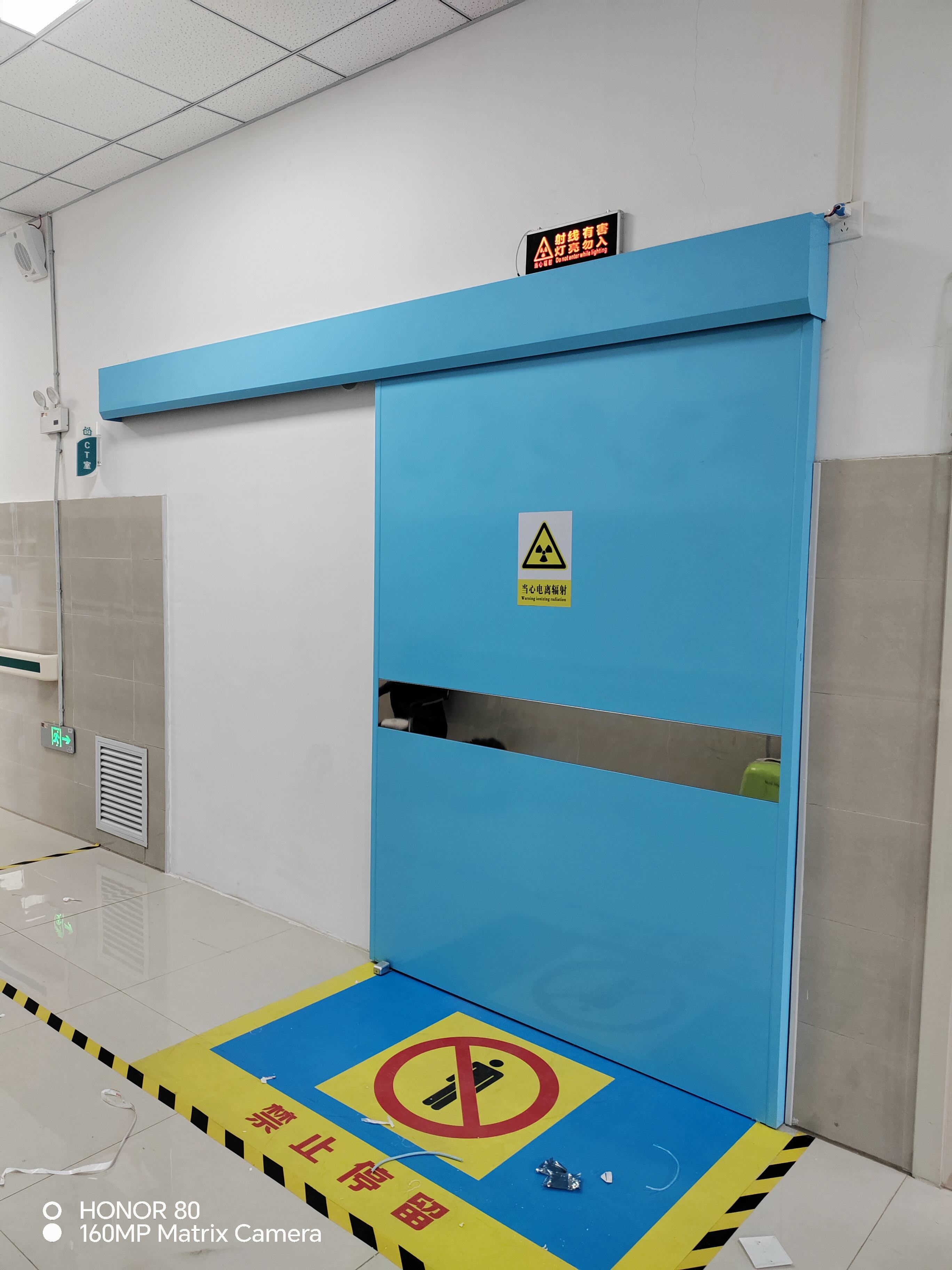
On the topic of hygiene and infection control, one should consider Antibacterial Doors as a cornerstone of the whole system. We can understand their functionality better if we put ourselves in the doctor's shoes and think the door as an invisible partner in crime in the fight against microbes.
Why Antibacterial Infrastructure
There is a global awareness of infections and, therefore, medical facilities are leaning towards using materials that would help keep bacteria under check more actively than before. The traditional doors of rooms that are made of steel or wood are not quite resistant to bacteria because of the frequent contact and the lack of surface protection.
The Antibacterial Door has special coatings, materials, and designs that prevent bacteria and other microbes from growing. Such doors are a common sight in hospitals, operation theatres, ICUs, labs, and cleanrooms for pharmaceuticals, where the sterility of the environment must be preserved at all times. Antimicrobial technology when implanted into surfaces like door handles and doors, which people touch frequently, will greatly diminish the chances of contamination.
Hospital Doors as a Vector for Infection
That is why it is so important for us to know what an Antibacterial Door can do to the issue of HAIs. Doors are probably the surfaces which are touched the most in a hospital and therefore their microbial/potential pathogen load must be the highest. Every time a door is opened by a patient, doctor, or a nurse, the microorganisms can fly into the new environment with ease.
The Antibacterial Door in its paradigm-changing surfaces utilizes advanced antimicrobial surface treatments to fight yellow surface microbe scum, killing 99.9% bacteria, mold and mildew, and fungi growth. Smooth and seamless, these antimicrobial doors are created not only for aesthetics but also for their hygienic benefits. They help in the continuous suppression of the growth of microorganisms and prevent the accumulation of dirt and microbes in cracks or joints which also appear unsightly and dirty.
Prominent door manufacturers like Liaocheng Fuxunlai make antibacterial doors by employing high-grade materials and advanced chemical coatings that ensure the antimicrobial property of the door not only reaches its peak but also lasts for a long time. This means the door along with its contribution to a cleaner and safer environment for healthcare undergoes wear and tear daily but still manages to perform well.
Choose Antibacterial Doors for Controlled and Clean Environments
Besides the hospital, antibacterial doors are a must-have in the pharmaceutical industry, biotechnology research, and semiconductor cleanrooms, all are examples of industries with strict contamination control that require the use of controlled environments to minimize airborne particles and microbes.
An Antibacterial Door is the answer to these needs with its antibacterial surfaces, the ability to get rid of dust and microbes, and can be used as part of an automatic door system for an effective hands-free operation.
- Antibacterial surfaces which are not only effective but also easy to clean and disinfect
- Materials resistant to corrosion are perfect for sterile environments
- Carefully constructed and sealed edges to eliminate dust and bacterial accumulation
- Compatible with automatic or sliding door systems for hands-free operation
All these features have turned the antibacterial door into a very vital part of the cleanroom infrastructure of the modern era.
The Timelessness of Tough and Clean
Hygiene aside, doors in hospitals and laboratories need to be capable of withstanding open-door traffic several times over. The doors of ordinary people easily suffer deterioration and have their surface corroded and peeled due to constant exposure to disinfectants of high strength.
and extremely well made Antibacterial doors compound physical resilience to chemical attack and bacterial hygiene. Most doors that are of stainless steel or coated steel comprise panels that are sturdy, with corrosion resistance, and have a long useful life. The antibacterial layer prevails even after several cleaning cycles.
Liaocheng Fuxunlai is among the companies that prioritize structural strength-bug-infested-laboratory-hygiene fusion in their designs to keep doors that are subjected to surgical rooms, isolation wards, and labs working well without a glitch.
Regulatory Compliance
Sanitation and infection control are some of the aspects of healthcare buildings that they get regularly checked for and are expected to pass with flying colors. A great number of international healthcare standards put a pinch of emphasis on antimicrobial materials and surfaces that can be cleaned easily.
Healthcare institutions, by disinfection, they will help in taking their standards to the next level in that they will be able to execute cleaning procedures easily as well as suppress the growth of microbes of the surfaces being disinfected. Everything that is on the surface of operating rooms and antibacterial doors are there to keep the place sterile as much as possible.
Furthermore, such doors can be linked with specialized medical features such as airtight sealing, sensors that work automatically, and even radiation shielding, based on the needs of the facility.
Design for Safety with a Touch of Smart
Antibacterial doors of the contemporary era do not just help the patients from getting infections, these doors are also for the convenience and comfort of the users. Automatically opening/closing, soft in their movement, the touchless feature of these doors lessens the requirement for physical contact, and as a result, the transmission of infection is limited.
Take for instance a medical team in a critical care unit or an emergency department who are in a hurry to attend to a patient and in order to move their stretcher or medical equipment they need to push. Autonomy of the Antibacterial Door is of great help as the hands are freed from the very task of door-opening and thus the movement is smooth and efficient.
One of the leading companies in door manufacturing, Liaocheng Fuxunlai, through its sophisticated and ergonomic designs utilizes advanced door technologies to not only improve infection control but also make the workflow within healthcare facilities more efficient.
Healthcare Infrastructure Longevity
Though the price of installing antibacterial doors may be somewhat higher than the doors of the standard ones
over the course of time, the advantages will definitely outweigh the costs. In point of fact, a small improvement in infection prevention is capable of resulting in major health benefits and financial savings.
Firstly, an Antibacterial Door restricts microbial contamination; secondly, it accelerates the cleaning process; thirdly, it prolongs the life of the door, and finally, it contributes to an overall improvement in the health of the environment which in turn acts as an infection barrier.
Therefore, an Antibacterial Door is capable of playing a major role in the evolution of a much safer hospital milieu.
Summary
As infection controls become the focus of healthcare systems, it is obvious that their infrastructures will have to pull up their socks to meet the challenge.
One of those challenges that hospitals, labs and cleanrooms face and that they get a great solution from is the Antibacterial Door.
These doors are antimicrobial, made of durable, and are smartly designed which in turn makes regulatory compliance easier, operational efficiency better and fewer contamination cases.
In these and other ways, companies like Liaocheng Fuxunlai are part of this trend of developing high-quality medical door solutions that are tailored to the needs of modern healthcare.
Thus the antibacterial door is arguably the most efficient choice we can make for protecting patients and professionals in sterile environments.